
When Should Fibroids Be Removed?
Aug 13, 2026
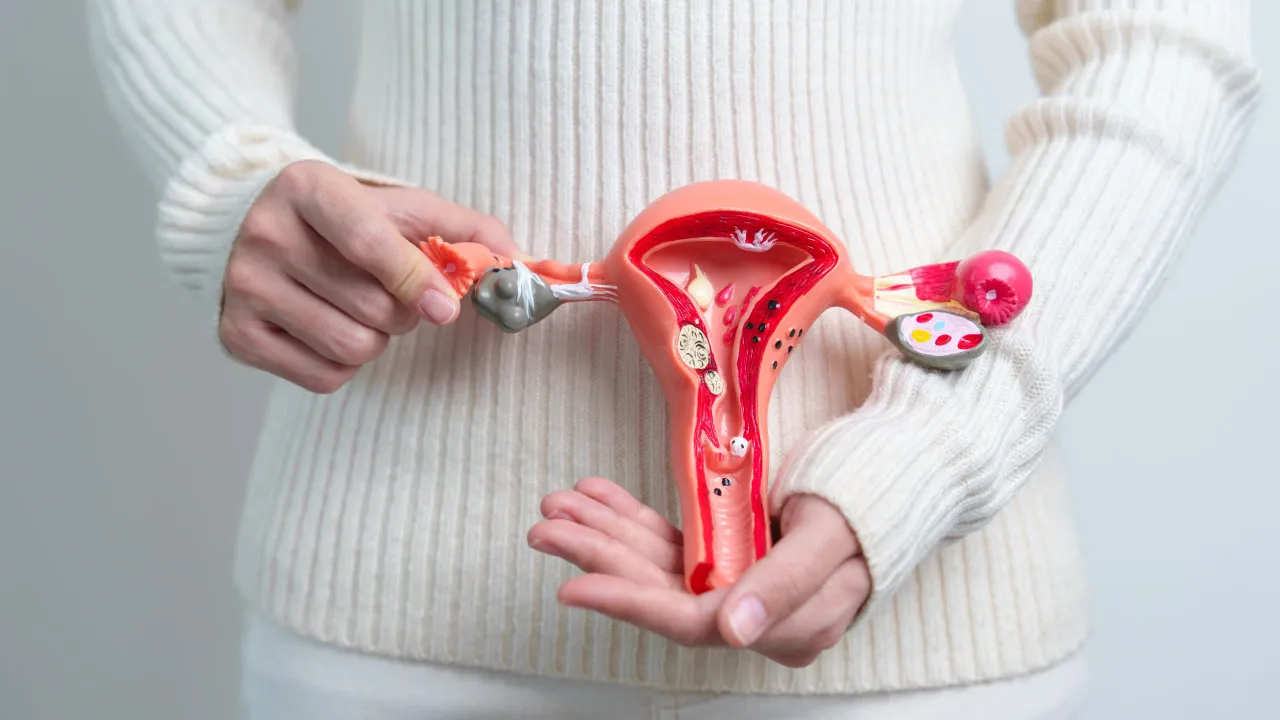
Being told you have uterine fibroids can raise a lot of questions. One of the first is, "Do I need surgery?" The answer isn't always yes. Fibroids are very common, and many women live with them without ever needing treatment.
However, when fibroids begin affecting your daily life, cause troublesome symptoms, or interfere with fertility, removing them may be the best option. Understanding when treatment is recommended can help you make informed decisions about your health.
What Are Uterine Fibroids?
Fibroids are noncancerous growths that develop in or around the uterus. They vary in size, number, and location. Some women have a single fibroid, while others may have several.
Many fibroids don't cause symptoms and are discovered during a routine pelvic examination or ultrasound. Others, however, can lead to significant discomfort and affect your quality of life.
When Do Fibroids Need to Be Removed?
Treatment is usually recommended when fibroids begin causing symptoms or complications. Your gynecologist will consider the size and location of the fibroids, your age, your overall health, and whether you plan to have children in the future.
Fibroid removal may be advised if you experience:
- Heavy or prolonged menstrual bleeding
- Pelvic pain or pressure
- Frequent urination due to pressure on the bladder
- Constipation caused by pressure on the bowel
- Pain during intercourse
- Rapidly enlarging fibroids
- Difficulty becoming pregnant or recurrent pregnancy loss when fibroids are believed to be contributing
Not every woman with fibroids will need surgery. The decision is always based on your symptoms and individual circumstances.
Can Fibroids Be Treated Without Surgery?
Yes. Surgery isn't the first option for everyone.
Depending on your symptoms, treatment may include medications to control heavy bleeding or reduce pain. In some cases, minimally invasive procedures may also be recommended.
If your fibroids are small and not causing symptoms, your doctor may simply recommend regular monitoring to check whether they change over time.
What Are the Surgical Options?
When surgery is needed, the most appropriate procedure depends on your age, symptoms, and future pregnancy plans.
Myomectomy removes only the fibroids while preserving the uterus. This option is often considered for women who wish to have children in the future.
Hysterectomy involves removing the uterus and may be recommended for women with severe symptoms, multiple fibroids, or those who no longer wish to become pregnant.
Whenever appropriate, minimally invasive techniques such as laparoscopic surgery may offer benefits like smaller incisions, less pain, and faster recovery compared with traditional open surgery.
What Happens If Fibroids Are Left Untreated?
Many fibroids remain stable and rarely cause problems. However, symptomatic fibroids may continue to grow and worsen over time.
Untreated fibroids can sometimes lead to:
- Ongoing heavy menstrual bleeding
- Iron deficiency anemia
- Increasing pelvic discomfort
- Pressure on nearby organs
- Fertility or pregnancy-related complications in selected cases
Regular follow-up allows your doctor to monitor any changes and recommend treatment if needed.
When Should You See a Gynecologist?
You should schedule an evaluation if you notice heavy menstrual bleeding, persistent pelvic pain, a feeling of fullness in the lower abdomen, or changes in your bladder or bowel habits.
Early assessment helps determine whether fibroids are responsible for your symptoms and allows treatment to begin before complications develop.
The Right Time for Treatment Is Different for Every Woman
Having fibroids doesn't automatically mean you need surgery. Many women can safely monitor their fibroids without intervention, while others benefit from treatment because their symptoms affect daily life or fertility.
The best approach is one that's tailored to your individual needs. A detailed evaluation helps determine whether monitoring, medication, or fibroid removal is the most appropriate option for you.
Get Expert Fibroid Care At Sanjivani Hospital
If you're experiencing symptoms of uterine fibroids or have been diagnosed with fibroids and are unsure whether treatment is needed, consult the experienced gynecology team at Sanjivani Hospital. A comprehensive evaluation can help determine the most appropriate treatment plan based on your symptoms, lifestyle, and future reproductive goals.
Frequently Asked Questions
Q: Do all fibroids need to be removed?
A: No. Many fibroids don't cause symptoms and only require regular monitoring.
Q: Can fibroids go away on their own?
A: Fibroids usually don't disappear on their own during the reproductive years, although they may shrink after menopause.
Q: Can fibroids affect pregnancy?
A: Some fibroids may affect fertility or pregnancy depending on their size and location, but many women with fibroids have healthy pregnancies.
Q: Is fibroid removal always a major surgery?
A: No. Many women are candidates for minimally invasive procedures, depending on the size and location of their fibroids.
Q: How do I know if my fibroids need treatment?
A: If you're experiencing heavy bleeding, pelvic pain, pressure symptoms, or fertility concerns, consult a gynecologist for an evaluation.

Location
Sevashram Choraha, Patho Ki Magri, Subhash Nagar
Udaipur, Rajasthan
313001


Hours
Monday to Saturday
09:00 AM-03:00 PM
Sunday Closed
Emergency Available 24*7

Committed to Excellence, Committed to You.


OVERVIEW
SPECIALITIES
SUPPORT
© 2025 Sanjivani Hospital. All rights reserved | Website Design by Remedo