
Vaginal Dryness During Menopause: Causes And Treatment
Sep 15, 2026
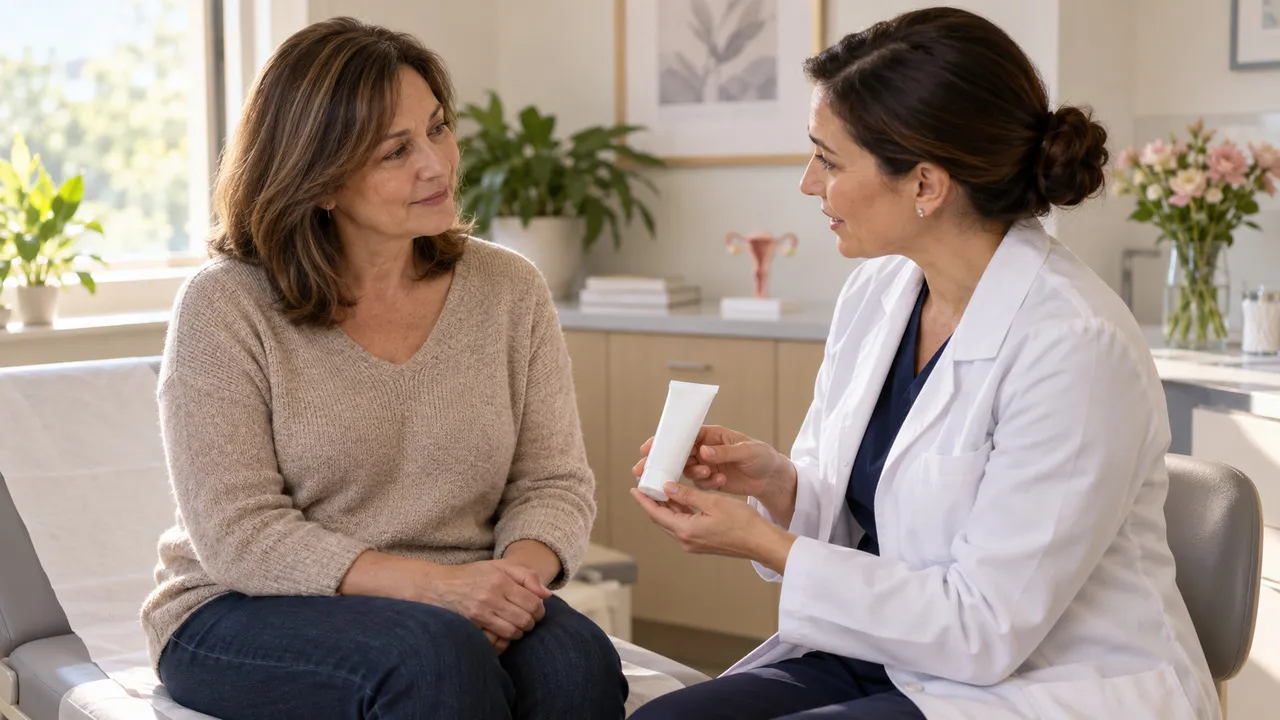
Menopause brings many changes to a woman's body. While hot flashes, mood changes, and irregular periods are commonly discussed, vaginal dryness is another frequent symptom that may be overlooked.
Vaginal dryness can cause discomfort, itching, burning, pain during intercourse, and changes in sexual well-being. Some women may feel embarrassed discussing these symptoms, but vaginal dryness is a common and treatable part of menopause.
Understanding why it happens and knowing the available treatment options can make it easier to seek appropriate care. Sanjivani Hospital provides gynecological care for women experiencing menopause related changes and other women's health concerns.
Why Does Vaginal Dryness Happen During Menopause?
The main reason for vaginal dryness during menopause is the decline in estrogen levels.
Estrogen helps maintain the thickness, elasticity, moisture, and healthy environment of the vaginal tissues. As the ovaries gradually produce less estrogen during perimenopause and menopause, the vaginal tissues can become thinner, less elastic, and drier.
This collection of changes is often referred to as genitourinary syndrome of menopause, or GSM. It can affect the vagina, vulva, urethra, and surrounding tissues.
Vaginal dryness does not mean that something is seriously wrong. However, persistent symptoms should not simply be accepted as something you have to live with.
What Are The Symptoms Of Vaginal Dryness?
Vaginal dryness can affect women differently. Some may experience only occasional discomfort, while others may have symptoms that interfere with everyday life.
Common symptoms include:
- Vaginal dryness or reduced natural lubrication
- Burning or irritation
- Itching
- Pain or discomfort during intercourse
- Light bleeding after intercourse
- Vaginal soreness
- A feeling of tightness or discomfort
- Urinary symptoms such as burning or increased frequency
Symptoms may gradually become more noticeable as estrogen levels decline.
Can Menopause Cause Pain During Intercourse?
Yes. Reduced estrogen can make vaginal tissues thinner and less flexible. Lower natural lubrication can also increase friction during sexual activity.
As a result, intercourse may become uncomfortable or painful. Some women may begin avoiding intimacy because they expect it to hurt.
Pain during intercourse should not simply be considered an unavoidable part of getting older. Treatment can often improve vaginal comfort and help restore quality of life.
Does Vaginal Dryness Affect Urinary Health?
It can. Changes associated with declining estrogen may affect tissues around the urethra and bladder as well as the vagina.
Some women experience urinary urgency, increased frequency, burning, or recurrent urinary tract infections around menopause.
If you experience new or persistent urinary symptoms, it is important to discuss them with your doctor because several different conditions can cause similar symptoms.
How Is Vaginal Dryness Diagnosed?
Diagnosis usually begins with a discussion about your symptoms, menstrual and menopause history, medications, sexual health, and overall medical history.
Your doctor may perform a pelvic examination when appropriate to assess the vaginal and vulvar tissues and look for other possible causes of irritation or discomfort.
Not every woman requires extensive testing. The evaluation depends on your symptoms and medical history.
What Can Help Mild Vaginal Dryness?
For mild symptoms, several simple measures may provide relief.
Vaginal moisturizers can be used regularly to help improve ongoing vaginal moisture. They are different from lubricants, which are generally used during sexual activity to reduce friction.
Water based or silicone based lubricants may help make intercourse more comfortable. Choosing products designed for vaginal use is important.
Avoiding fragranced soaps, douches, and other irritating products around the vagina can also help prevent additional irritation.
What Is Vaginal Estrogen Therapy?
For women with persistent menopause related vaginal symptoms, a doctor may recommend local vaginal estrogen.
Vaginal estrogen is available in forms such as creams, tablets, or rings. It delivers estrogen directly to the vaginal tissues and can help improve dryness, irritation, discomfort during intercourse, and some urinary symptoms associated with GSM.
Because treatment suitability varies between women, vaginal estrogen should be discussed with a healthcare professional, particularly if you have a history of certain hormone sensitive conditions.
Are There Other Prescription Treatments?
Depending on your symptoms and medical history, other prescription options may sometimes be considered.
For example, certain non estrogen treatments can help women experiencing moderate to severe symptoms. The appropriate treatment depends on your individual circumstances, whether symptoms are primarily vaginal or urinary, and whether intercourse is affected.
Your gynecologist can explain the potential benefits, risks, and alternatives before starting treatment.
Can Lifestyle Changes Help?
Lifestyle measures cannot replace medical treatment when symptoms are significant, but they can support vaginal comfort.
Helpful habits may include:
- Using gentle, fragrance free personal care products
- Avoiding vaginal douching
- Staying physically active
- Maintaining a balanced diet
- Drinking adequate fluids
- Using a suitable lubricant during intercourse
- Discussing persistent symptoms rather than ignoring them
Regular gynecological care is also important during and after menopause.
When Should You See A Doctor?
Vaginal dryness that persists, worsens, or interferes with daily life deserves medical attention.
You should speak with a gynecologist if you experience persistent vaginal burning, pain during intercourse, unusual discharge, recurrent urinary symptoms, or bleeding after menopause.
Any vaginal bleeding after menopause should be evaluated by a healthcare professional, even if it occurs only once.
A gynecological examination can help determine whether symptoms are related to menopause or another condition that requires treatment.
Why You Should Not Ignore Vaginal Dryness
Many women hesitate to discuss vaginal symptoms because they feel embarrassed or assume nothing can be done. This can lead to unnecessary discomfort and may affect intimacy, sleep, confidence, and overall quality of life.
The good news is that several treatment options are available. The right approach depends on the severity of symptoms, medical history, personal preferences, and whether other menopause related symptoms are present.
At Sanjivani Hospital, women can discuss menopause related concerns in a supportive and confidential setting and explore appropriate treatment options with their healthcare provider.
Take The First Step Toward Better Menopause Care
Vaginal dryness is a common menopause related concern, but it should not be dismissed or endured in silence. Understanding the hormonal changes behind it and discussing your symptoms with a healthcare professional can help you find an appropriate solution.
Whether you are experiencing dryness, painful intercourse, irritation, or urinary changes, personalized gynecological care can help you manage menopause symptoms and maintain your comfort and quality of life.
For guidance regarding vaginal dryness and other menopause related concerns, Sanjivani Hospital can help you explore appropriate evaluation and treatment options.
FAQs
Q: Is vaginal dryness normal during menopause?
A: Vaginal dryness is common during menopause because declining estrogen levels can make vaginal tissues thinner and reduce natural lubrication. Although common, it does not mean you have to live with persistent discomfort.
Q: Can vaginal dryness cause pain during intercourse?
A: Yes. Reduced lubrication and changes in vaginal tissues can increase friction and make intercourse uncomfortable or painful. Lubricants, moisturizers, and medical treatments may help depending on the cause and severity.
Q: What is the best treatment for vaginal dryness during menopause?
A: Treatment depends on your symptoms and medical history. Options may include vaginal moisturizers, lubricants, local vaginal estrogen, or other prescription treatments. A gynecologist can recommend an appropriate option.
Q: Are vaginal moisturizers and lubricants the same?
A: No. Vaginal moisturizers are generally used regularly to help maintain moisture, while lubricants are typically used during sexual activity to reduce friction and improve comfort.
Q: Can vaginal dryness cause itching and burning?
A: Yes. Reduced estrogen can make vaginal and vulvar tissues more sensitive and prone to irritation, which may cause dryness, itching, burning, or soreness.
Q: Can vaginal dryness cause urinary problems?
A: Menopause related tissue changes can be associated with urinary urgency, frequency, burning, and recurrent urinary tract infections in some women. Persistent urinary symptoms should be evaluated by a doctor.
Q: Is vaginal estrogen safe for every woman?
A: Vaginal estrogen may be appropriate for many women, but it is not suitable for everyone. Your doctor will consider your medical history, symptoms, and individual risks before recommending hormone treatment.
Q: When should I see a gynecologist for vaginal dryness?
A: See a gynecologist if dryness is persistent, painful, affects intimacy, causes significant irritation, or occurs along with unusual discharge or urinary symptoms. Any vaginal bleeding after menopause should also be evaluated.

Location
Sevashram Choraha, Patho Ki Magri, Subhash Nagar
Udaipur, Rajasthan
313001


Hours
Monday to Saturday
09:00 AM-03:00 PM
Sunday Closed
Emergency Available 24*7

Committed to Excellence, Committed to You.


OVERVIEW
SPECIALITIES
SUPPORT
© 2025 Sanjivani Hospital. All rights reserved | Website Design by Remedo