
Uterine Fibroids: Symptoms Women Often Ignore
Jun 29, 2026
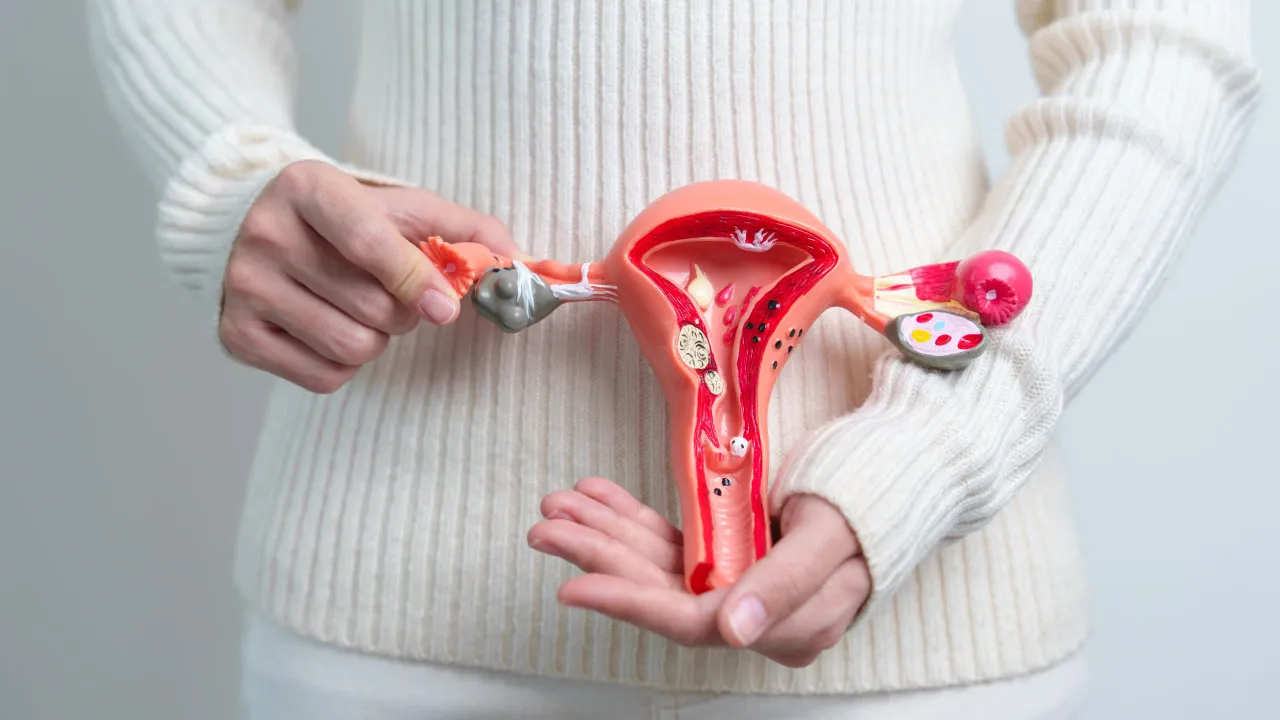
Uterine fibroids are among the most common gynecological conditions affecting women during their reproductive years. These non-cancerous growths develop in or around the uterus and can vary greatly in size, number, and location. While some women experience noticeable symptoms, others may have fibroids without realizing it.
Many symptoms of fibroids develop gradually and are often dismissed as normal menstrual changes, stress, aging, or hormonal fluctuations. Recognizing these warning signs early can help prevent complications and improve quality of life.
At Sanjivani Hospital, specialists frequently evaluate women who have been living with fibroid symptoms for years without realizing that an underlying condition is responsible for their discomfort.
What Are Uterine Fibroids?
Uterine fibroids, also called leiomyomas or myomas, are benign growths that arise from the muscular wall of the uterus.
Fibroids may be:
- Small and symptom-free
- Single or multiple
- Located within the uterine wall
- Growing inside the uterine cavity
- Growing on the outer surface of the uterus
Although fibroids are not cancerous, they can significantly affect daily life depending on their size and location.
Symptoms Women Often Ignore
Heavy Menstrual Bleeding
Many women assume that heavy periods are normal, especially if they have experienced them for years.
Signs of excessive menstrual bleeding include:
- Soaking pads or tampons frequently
- Passing large blood clots
- Periods lasting longer than seven days
- Needing double protection during menstruation
Heavy bleeding caused by fibroids can eventually lead to anemia and fatigue.
Pelvic Pressure Or Fullness
A feeling of heaviness or pressure in the lower abdomen is often overlooked.
As fibroids grow, they may create a sensation of:
- Bloating
- Pelvic fullness
- Increased abdominal size
- Pressure in the lower abdomen
Some women mistakenly attribute these symptoms to weight gain or digestive issues.
Frequent Urination
Large fibroids can press against the bladder, reducing its capacity and causing:
- Frequent urination
- Urgency to urinate
- Difficulty completely emptying the bladder
Many women do not immediately associate urinary symptoms with a uterine condition.
Constipation
Fibroids located toward the back of the uterus may press on the rectum, leading to:
- Constipation
- Difficulty passing stools
- A sensation of incomplete bowel emptying
- Pelvic Pain
Although fibroids do not always cause pain, some women experience:
- Chronic pelvic discomfort
- Lower abdominal pain
- Back pain
- Pain during menstruation
Persistent pelvic pain should never be ignored.
Pain During Intercourse
Depending on their location, fibroids may cause discomfort or pain during sexual activity, affecting quality of life and relationships.
Fatigue And Weakness
Heavy menstrual bleeding can gradually result in iron-deficiency anemia.
Common signs include:
- Tiredness
- Weakness
- Dizziness
- Shortness of breath
Many women treat these symptoms separately without realizing they may be linked to fibroids.
Can Fibroids Affect Fertility?
While many women with fibroids conceive naturally, certain fibroids can interfere with fertility by:
- Distorting the uterine cavity
- Affecting embryo implantation
- Increasing the risk of miscarriage
- Blocking the fallopian tubes in rare cases
Women experiencing infertility may require evaluation for fibroids as part of their fertility workup.
Who Is More Likely To Develop Fibroids?
Fibroids are more common in:
- Women during reproductive years
- Those with a family history of fibroids
- Women with obesity
- Women who started menstruating at an early age
Hormonal factors, particularly estrogen and progesterone, are believed to contribute to fibroid growth.
How Are Fibroids Diagnosed?
At Sanjivani Hospital, diagnosis typically begins with a detailed medical history and physical examination.
Investigations may include:
Ultrasound
Pelvic ultrasound is the most common imaging test used to detect fibroids.
MRI
Magnetic resonance imaging may be recommended for complex cases or surgical planning.
Hysteroscopy
This procedure allows direct visualization of the uterine cavity and may help identify fibroids affecting the inner lining of the uterus.
Treatment Options For Fibroids
Treatment depends on:
- Size and location of fibroids
- Severity of symptoms
- Age of the patient
- Future pregnancy plans
- Observation
Small, symptom-free fibroids may only require regular monitoring.
Medications
Certain medications may help control:
- Heavy bleeding
- Pain
- Hormonal symptoms
- Minimally Invasive Procedures
Depending on the case, minimally invasive treatment options may be available.
Myomectomy
This procedure removes fibroids while preserving the uterus and is often preferred for women who wish to maintain fertility.
Hysterectomy
In selected cases, removal of the uterus may be considered when symptoms are severe and childbearing is complete.
When Should You See A Doctor?
Consult a gynecologist if you experience:
- Heavy or prolonged periods
- Pelvic pressure or pain
- Frequent urination
- Unexplained fatigue
- Difficulty conceiving
- Rapid increase in abdominal size
Early evaluation can help identify fibroids before complications develop.
Conclusion
Uterine fibroids are extremely common, yet many women ignore their symptoms for years. Heavy menstrual bleeding, pelvic pressure, frequent urination, constipation, fatigue, and pain are not always normal parts of life and may indicate the presence of fibroids.
At Sanjivani Hospital, comprehensive evaluation and personalized treatment plans help women manage fibroids effectively and improve their overall quality of life. Early diagnosis and timely intervention can make a significant difference in symptom control, fertility preservation, and long-term health.
FAQs
Q: Are Uterine Fibroids Cancerous?
A: No. Uterine fibroids are benign growths and are not considered cancer.
Q: Can Fibroids Cause Heavy Periods?
A: Yes. Heavy and prolonged menstrual bleeding is one of the most common symptoms of fibroids.
Q: Do All Fibroids Need Treatment?
A: No. Small fibroids without symptoms may only require monitoring.
Q: Can Fibroids Affect Pregnancy?
A: Some fibroids may affect fertility or pregnancy outcomes, depending on their size and location.
Q: How Are Fibroids Diagnosed?
A: Fibroids are commonly diagnosed through pelvic examination and ultrasound imaging.
Experiencing heavy periods, pelvic pressure, or unexplained fatigue? Visit Sanjivani Hospital for expert gynecological evaluation, accurate diagnosis, and personalized treatment options for uterine fibroids.

Location
Sevashram Choraha, Patho Ki Magri, Subhash Nagar
Udaipur, Rajasthan
313001


Hours
Monday to Saturday
09:00 AM-03:00 PM
Sunday Closed
Emergency Available 24*7

Committed to Excellence, Committed to You.


OVERVIEW
SPECIALITIES
SUPPORT
© 2025 Sanjivani Hospital. All rights reserved | Website Design by Remedo