
Piles During Pregnancy – Causes And Safe Treatment
Jan 27, 2026
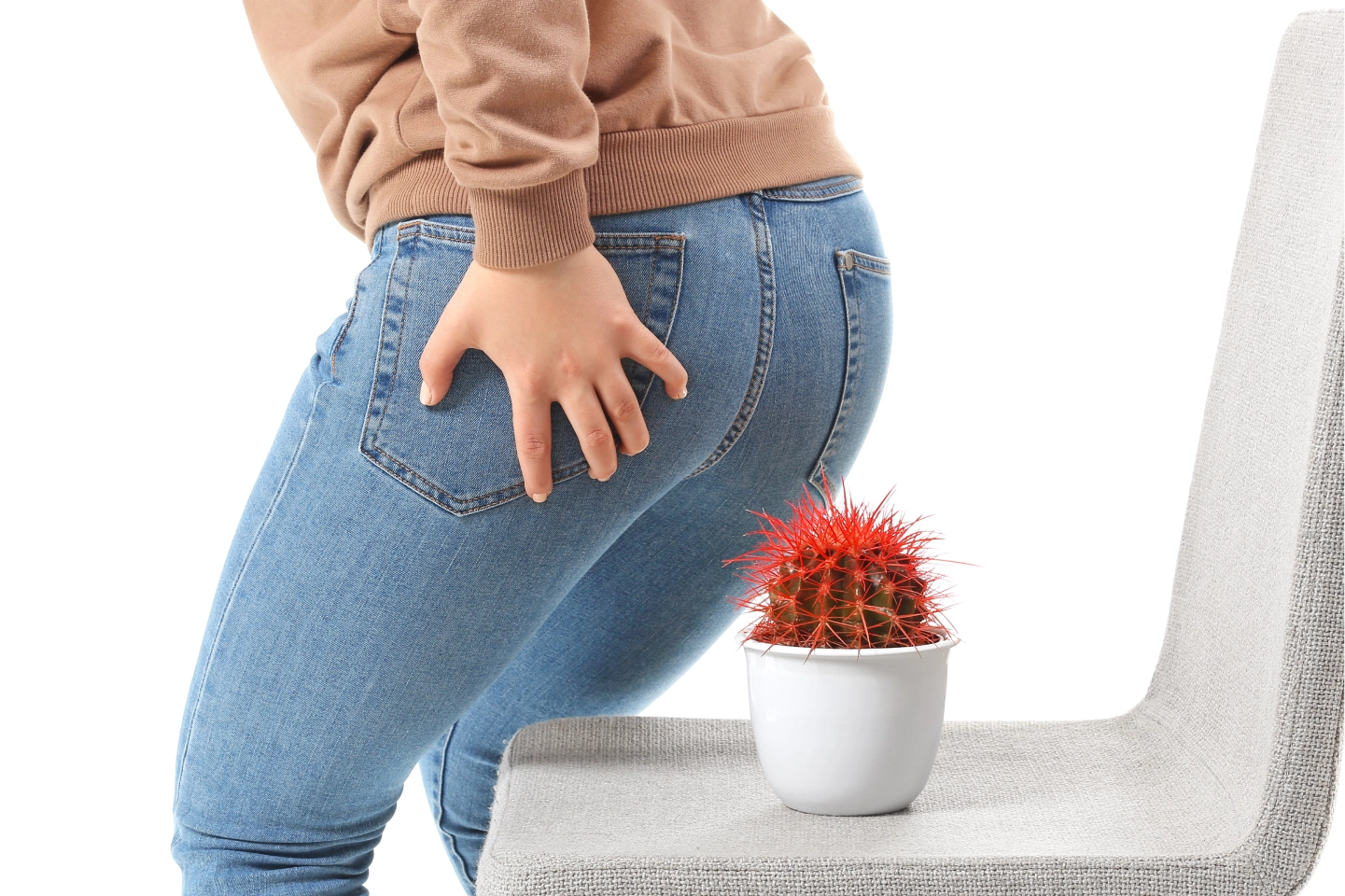
Piles, also known as hemorrhoids, are a common and uncomfortable problem during pregnancy. Many pregnant women experience pain, itching, swelling, or bleeding around the anal area, especially in the later months. These symptoms often result from increased pressure on pelvic veins, hormonal changes, and constipation that are common during pregnancy. At Sanjivani Hospital, we emphasize that awareness, early recognition, and timely care can help manage piles safely, providing relief to the mother while ensuring the health and safety of the baby. Proper lifestyle measures, dietary adjustments, and medical guidance can make a significant difference in comfort and recovery.
What Are Piles?
Piles, also known as hemorrhoids, are swollen and inflamed veins in the lower rectum or around the anus. They develop due to increased pressure in the pelvic and rectal region, which can cause veins to stretch, bulge, or become painful. During pregnancy, women are more susceptible to piles because hormonal changes relax the vein walls, and the growing uterus puts extra pressure on the pelvic veins. Other factors, such as constipation, straining during bowel movements, and reduced physical activity, can further increase the risk. While uncomfortable, piles are generally manageable with proper care and lifestyle measures.
Why Piles Are Common During Pregnancy
Several factors contribute to the development of piles during pregnancy:
- Increased pressure from the growing uterus on pelvic veins
- Hormonal changes causing relaxation of blood vessel walls
- Constipation and hard stools
- Reduced physical activity
- Prolonged straining during bowel movements
These factors together slow blood flow and cause veins around the anus to swell.
Symptoms Of Piles During Pregnancy
Common symptoms include:
- Pain or discomfort while sitting or passing stools
- Itching or irritation around the anus
- Swelling or a lump near the anal opening
- Bleeding during bowel movements
- Feeling of incomplete bowel evacuation
If symptoms persist or worsen, medical evaluation is important.
Are Piles Dangerous During Pregnancy?
In most cases, piles are not dangerous to the baby. However, they can cause significant discomfort to the mother and affect daily activities. According to specialists at Sanjivani Hospital, untreated piles may worsen over time and lead to complications such as severe pain, infection, or anemia due to repeated bleeding.
Safe Treatment Options For Piles During Pregnancy
Treatment during pregnancy focuses on relieving symptoms and preventing worsening of piles. At Sanjivani Hospital, care is always tailored to ensure safety for both mother and baby.
Lifestyle And Dietary Measures
- Eat a high-fiber diet including fruits, vegetables, and whole grains
- Drink plenty of water to prevent constipation
- Avoid straining during bowel movements
- Respond promptly to the urge to pass stools
- Avoid sitting or standing for long periods
Home Care and Comfort Measures
- Warm sitz baths to relieve pain and swelling
- Maintaining good anal hygiene
- Using soft cushions for sitting
- Medications
- Doctor-prescribed topical creams or ointments that are safe in pregnancy
- Stool softeners when advised by a doctor
- Self-medication should always be avoided during pregnancy.
When Is Medical Intervention Needed?
You should consult a doctor at Sanjivani Hospital if:
- Pain is severe or persistent
- Bleeding is frequent or heavy
- Piles do not improve with conservative treatment
- There is suspicion of infection or thrombosed piles
Surgical treatment is rarely required during pregnancy and is usually considered only after delivery unless complications occur.
Can Piles Be Prevented During Pregnancy?
While not all cases can be prevented, the risk can be reduced by:
- Maintaining a fiber-rich diet
- Staying physically active as advised by your doctor
- Avoiding constipation from early pregnancy
- Following healthy bowel habits
Frequently Asked Questions
Do piles go away after delivery?
In many women, piles improve or resolve after childbirth as pressure on pelvic veins decreases.
Is bleeding from piles harmful to the baby?
Minor bleeding usually does not affect the baby, but it should always be evaluated by a doctor.
Can normal delivery worsen piles?
Straining during delivery may temporarily worsen piles, but they often improve with proper post-delivery care.
Are piles creams safe during pregnancy?
Only creams prescribed by a doctor should be used during pregnancy.
Conclusion
Piles during pregnancy are common but manageable with proper care. Early attention to symptoms, lifestyle changes, and safe treatment options can provide significant relief and prevent complications.
At Sanjivani Hospital, our experienced doctors provide compassionate, pregnancy-safe care to help expectant mothers stay comfortable and healthy throughout their journey.
If you are experiencing pain, bleeding, or discomfort due to piles during pregnancy, consult the specialists at Sanjivani Hospital today. Early treatment ensures comfort, safety, and peace of mind for both mother and baby.

Location
Sevashram Choraha, Patho Ki Magri, Subhash Nagar
Udaipur, Rajasthan
313001


Hours
Monday to Saturday
09:00 AM-03:00 PM
Sunday Closed
Emergency Available 24*7

Committed to Excellence, Committed to You.


OVERVIEW
SPECIALITIES
SUPPORT
© 2025 Sanjivani Hospital. All rights reserved | Website Design by Remedo