
Pilonidal Sinus: Causes And Management
Mar 27, 2026
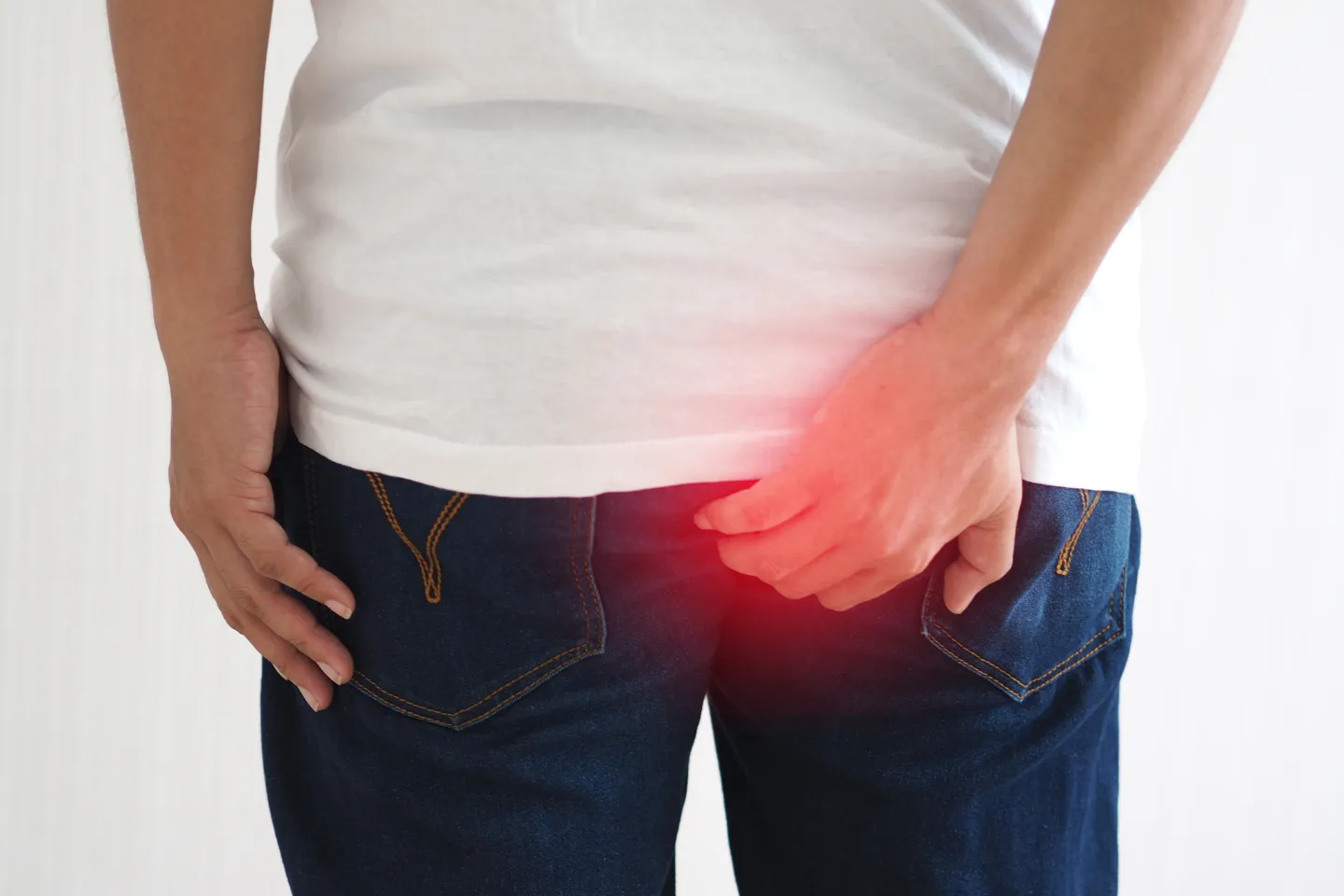
Pilonidal sinus is a common but often uncomfortable condition that affects the skin near the tailbone, usually at the top of the buttock crease. It typically occurs when hair and debris become trapped under the skin, leading to infection and the formation of a small cyst or sinus tract.
Although it may start as a minor problem, a pilonidal sinus can cause persistent pain, swelling, and discharge if left untreated. Early diagnosis and proper treatment are important to prevent repeated infections and complications.
At Sanjivani Hospital, experienced medical professionals provide accurate diagnosis and effective treatment options to help patients manage pilonidal sinus and recover comfortably.
This article explains the causes, symptoms, treatment options, and preventive measures for pilonidal sinus.
What Is A Pilonidal Sinus?
A pilonidal sinus is a small tunnel or tract that forms under the skin near the tailbone. The word “pilonidal” means “nest of hair,” which reflects one of the most common causes of this condition.
In many cases, loose hair penetrates the skin and triggers an inflammatory reaction. Over time, the body treats this hair as a foreign object, leading to the formation of a cyst or sinus that may become infected.
Pilonidal sinus is more commonly seen in young adults and individuals who sit for long periods.
Causes Of Pilonidal Sinus
The exact cause of pilonidal sinus is not always clear, but several factors may increase the risk of developing this condition.
Common causes and risk factors include:
- Loose hair penetrating the skin
- Excessive sweating in the lower back area
- Prolonged sitting or sedentary lifestyle
- Friction or pressure in the buttock crease
- Thick or coarse body hair
- Poor hygiene in the affected area
- Obesity
- Family history of pilonidal disease
These factors may cause hair to become embedded in the skin, resulting in inflammation and infection.
Symptoms Of Pilonidal Sinus
Symptoms may vary depending on whether the sinus is infected or not. Some people may notice only mild discomfort initially, while others may experience severe pain.
Common symptoms include:
- Pain or tenderness near the tailbone
- Swelling or redness in the affected area
- A small lump or cyst near the buttock crease
- Pus or blood discharge from the sinus opening
- Foul-smelling drainage
- Fever in cases of severe infection
If an infection develops, the cyst may form an abscess, which requires prompt medical treatment.
Who Is More Likely To Develop Pilonidal Sinus?
Certain individuals are more prone to developing pilonidal sinus.
Higher risk groups include:
- Young adults between 15 and 35 years
- Men more than women
- People who sit for long hours such as drivers or office workers
- Individuals with thick body hair
- Overweight individuals
- People with excessive sweating
Lifestyle and hygiene habits also play a role in the development of this condition.
Diagnosis Of Pilonidal Sinus
Diagnosis is usually straightforward and is based on a physical examination of the affected area.
A doctor may look for:
- Visible sinus openings in the skin
- Swelling or tenderness near the tailbone
- Signs of infection or abscess formation
In most cases, imaging tests are not required unless the sinus is complex or recurrent.
Management And Treatment Of Pilonidal Sinus
Treatment depends on the severity of the condition and whether an infection is present.
Conservative Treatment
For mild cases without infection, conservative management may help control symptoms.
This may include:
- Maintaining proper hygiene
- Keeping the area clean and dry
- Removing hair from the affected region
- Using warm compresses to reduce discomfort
- Taking prescribed medications to control infection
However, conservative treatment may not permanently cure the condition.
Drainage Of Abscess
If a painful abscess develops, the doctor may perform a minor procedure to drain the pus. This helps relieve pain and reduce swelling.
The procedure is usually performed under local anesthesia and provides quick relief from symptoms.
Surgical Treatment
Surgery is often recommended for persistent or recurrent pilonidal sinus.
Common surgical procedures include:
- Pilonidal sinus excision
- Removal of the sinus tract and infected tissue
- Flap surgery for complex or recurrent cases
The goal of surgery is to remove the sinus completely and reduce the chances of recurrence.
At Sanjivani Hospital, modern surgical techniques are used to ensure effective treatment and faster recovery.
Recovery After Treatment
Recovery time depends on the type of treatment performed.
Patients are usually advised to:
- Keep the surgical area clean and dry
- Avoid prolonged sitting during early recovery
- Follow proper wound care instructions
- Attend follow-up appointments with the doctor
- Maintain hair removal in the affected area if recommended
Following these instructions helps reduce the risk of recurrence.
Prevention Of Pilonidal Sinus
Although not all cases can be prevented, certain measures may help reduce the risk.
Preventive steps include:
- Maintaining good hygiene
- Keeping the lower back area clean and dry
- Avoiding prolonged sitting whenever possible
- Managing body weight
- Removing excess hair in the buttock region
- Wearing comfortable and breathable clothing
Simple lifestyle changes can significantly reduce the chances of developing pilonidal sinus.
When Should You See A Doctor?
Medical consultation is recommended if you experience:
- Persistent pain near the tailbone
- Swelling or redness in the buttock crease
- Drainage of pus or blood
- A recurring lump in the same area
- Fever along with pain and swelling
Early treatment helps prevent complications and recurring infections.
FAQs
Q: What causes pilonidal sinus?
A: Pilonidal sinus usually occurs when loose hair penetrates the skin and causes inflammation or infection near the tailbone.
Q: Is pilonidal sinus painful?
A: Yes, it can cause pain, especially when sitting or when an infection develops in the cyst.
Q: Can pilonidal sinus heal without surgery?
A: Mild cases may improve with hygiene and medical treatment, but recurrent or infected cases often require surgery.
Q: Is pilonidal sinus common?
A: Yes, it is relatively common among young adults, especially those who sit for long hours.
Q: Can pilonidal sinus come back after treatment?
A: Recurrence is possible, but proper treatment and preventive care can significantly reduce the risk.
Get Expert Care At Sanjivani Hospital
If you are experiencing discomfort, swelling, or drainage near the tailbone, do not ignore the symptoms. Early diagnosis and proper treatment can prevent complications and improve recovery.
Consult the experienced medical team at Sanjivani Hospital for accurate diagnosis and effective management of pilonidal sinus. Timely care can help you return to your daily activities comfortably and confidently.

Location
Sevashram Choraha, Patho Ki Magri, Subhash Nagar
Udaipur, Rajasthan
313001


Hours
Monday to Saturday
09:00 AM-03:00 PM
Sunday Closed
Emergency Available 24*7

Committed to Excellence, Committed to You.


OVERVIEW
SPECIALITIES
SUPPORT
© 2025 Sanjivani Hospital. All rights reserved | Website Design by Remedo