
Painful Periods: When Is It More Than Just Cramps
May 25, 2026
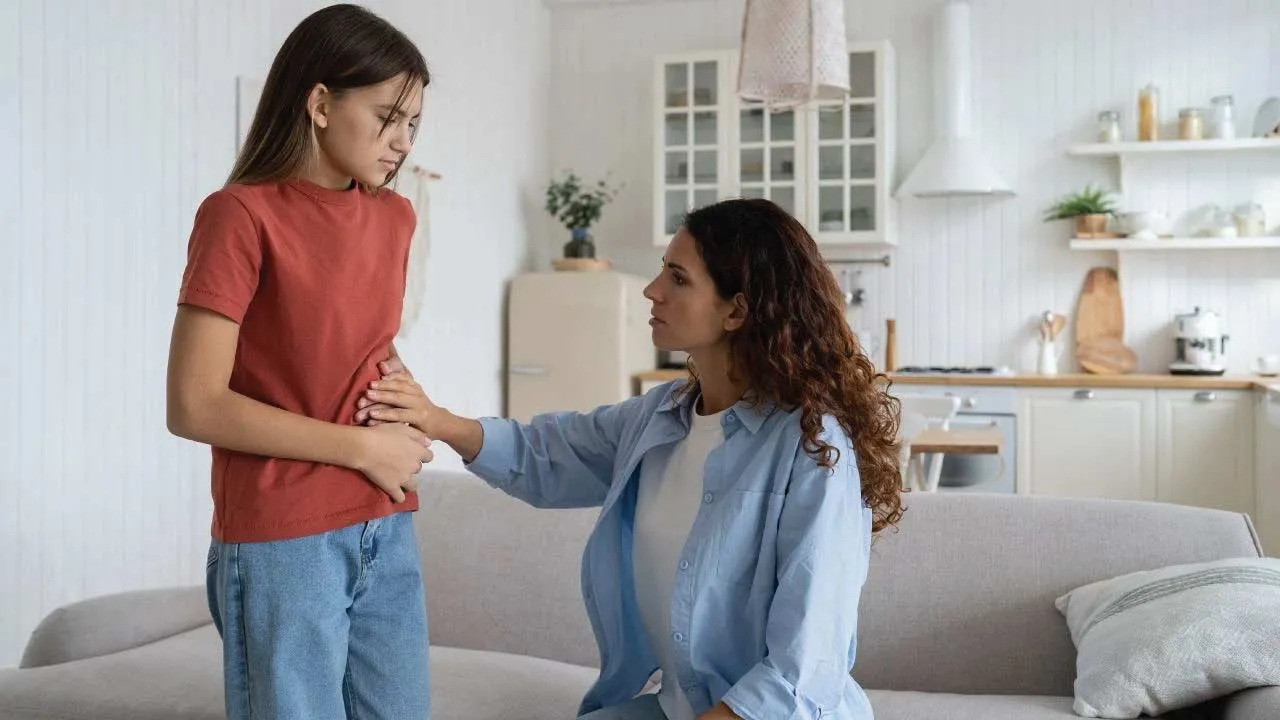
Many women experience some level of discomfort during their menstrual cycle, but severe period pain should never be brushed off as something women simply have to tolerate. Mild cramping during periods is common, but intense pain that disrupts work, sleep, daily activities, or emotional well-being may point to an underlying gynecological condition that needs medical attention.
At Sanjivani Hospital, we believe women should not have to silently struggle with painful periods month after month. Understanding the difference between normal menstrual cramps and symptoms that may signal a medical problem can help women seek timely treatment and improve their overall reproductive health.
Understanding Menstrual Cramps
Menstrual cramps, medically known as dysmenorrhea, happen when the uterus contracts to shed its lining during menstruation. These contractions are triggered by hormone-like substances called prostaglandins.
For many women, cramps are mild and manageable. They usually:
- Start around the beginning of periods
- Last for one to three days
- Improve with rest or pain relief
- Cause mild to moderate discomfort
However, when pain becomes severe, persistent, or starts getting worse over time, it may indicate something more serious.
Signs Your Period Pain May Not Be Normal
Painful periods should not significantly interfere with everyday life. If menstrual pain makes it difficult to function normally, it is important to speak with a gynecologist.
Warning signs may include:
- Severe pelvic pain every month
- Pain that becomes worse over time
- Heavy menstrual bleeding
- Pain during intercourse
- Irregular menstrual cycles
- Nausea or vomiting during periods
- Pain spreading to the lower back or legs
- Difficulty carrying out normal daily activities
- Fertility concerns
Persistent symptoms may suggest an underlying gynecological disorder that requires evaluation and treatment.
Common Causes Of Severe Period Pain
Several medical conditions can lead to severe menstrual cramps and pelvic pain.
Endometriosis
Endometriosis occurs when tissue similar to the lining of the uterus grows outside the uterus. This condition may cause:
- Severe menstrual cramps
- Chronic pelvic pain
- Pain during intercourse
- Heavy bleeding
- Fertility problems
Many women with endometriosis describe the pain as much more intense than regular menstrual cramps.
Adenomyosis
Adenomyosis develops when the uterine lining grows into the muscular wall of the uterus. It may lead to:
- Heavy periods
- Severe cramping
- Pelvic pressure
- Enlargement of the uterus
- Uterine Fibroids
Fibroids are non-cancerous growths that develop in the uterus. Depending on their size and location, they may contribute to:
Painful periods
- Heavy bleeding
- Pelvic discomfort
- Frequent urination
- Pelvic Inflammatory Disease
Pelvic inflammatory disease, also called PID, is an infection affecting the reproductive organs. It may cause:
- Pelvic pain
- Fever
- Abnormal discharge
- Painful menstruation
- Ovarian Cysts
Certain ovarian cysts may lead to pelvic pain, bloating, pressure, or discomfort during periods.
Primary Vs Secondary Dysmenorrhea
Primary Dysmenorrhea
Primary dysmenorrhea refers to common menstrual cramps that occur without an underlying medical condition. It often begins during teenage years and may improve with age.
Secondary Dysmenorrhea
Secondary dysmenorrhea is caused by an underlying gynecological condition such as endometriosis, fibroids, or adenomyosis. The pain may gradually worsen over time and can sometimes begin before the menstrual cycle starts.
When To Seek Medical Help
You should consult a gynecologist if:
- Period pain suddenly becomes severe
- Pain worsens with each cycle
- Over-the-counter medications stop helping
- Menstrual bleeding becomes unusually heavy
- Pelvic pain occurs even outside periods
- Symptoms interfere with work, school, or daily life
- You have concerns about fertility
Early diagnosis can help identify the cause and reduce the risk of complications later.
How Painful Periods Are Diagnosed
At Sanjivani Hospital, evaluation may include:
- Detailed medical history
- Pelvic examination
- Ultrasound scans
- Blood tests
- Hormonal evaluation
- Laparoscopic assessment if needed
Identifying the exact cause of symptoms helps create a treatment plan tailored to the patient’s needs.
Treatment Options For Painful Periods
Treatment depends on the underlying cause and the severity of symptoms.
Lifestyle And Home Care
Mild symptoms may improve with supportive lifestyle measures such as:
- Heat therapy
- Regular exercise
- Drinking enough water
- Balanced nutrition
- Stress management
- Proper sleep habits
- Medications
Doctors may recommend:
- Pain relief medications
- Hormonal therapy
- Birth control pills
- Anti-inflammatory medicines
These treatments may help reduce cramping and regulate hormonal changes contributing to pain.
Minimally Invasive Procedures
Conditions such as fibroids, ovarian cysts, or endometriosis may sometimes require minimally invasive gynecological procedures for longer-term symptom relief.
Why Severe Period Pain Should Not Be Ignored
Many women grow up believing severe menstrual pain is normal, which often leads to delayed diagnosis and treatment. However, untreated gynecological conditions may affect:
- Fertility
- Hormonal balance
- Emotional health
- Daily productivity
- Relationships
- Overall quality of life
Seeking medical care early can often help improve symptoms and support better long-term reproductive health.
Can Lifestyle Habits Affect Menstrual Pain?
Yes. Certain habits and lifestyle factors may worsen menstrual discomfort in some women.
These may include:
- Smoking
- Poor sleep
- High stress levels
- Lack of physical activity
- Unhealthy eating habits
Maintaining healthier routines may help reduce inflammation and support overall menstrual health.
Supporting Women’s Reproductive Health
Women deserve compassionate medical care and clear answers when dealing with severe period pain. At Sanjivani Hospital, our focus is on early diagnosis, personalized treatment, and long-term women’s wellness.
The goal is to help women live comfortably and confidently without allowing menstrual pain to control their daily lives.
Severe Period Pain Should Never Be Ignored
While mild cramps are common during menstruation, severe or worsening pain may be a sign of an underlying gynecological condition. Paying attention to symptoms and seeking timely medical care can help prevent complications and improve quality of life.
If painful periods are affecting your daily routine, emotional well-being, or reproductive health, consulting the specialists at Sanjivani Hospital can help you better understand the cause and explore appropriate treatment options.
Frequently Asked Questions
Q: Are painful periods normal?
A: Mild menstrual cramps are common, but severe pain that affects daily life should be evaluated by a gynecologist.
Q: What causes severe menstrual cramps?
A: Conditions such as endometriosis, fibroids, adenomyosis, or pelvic infections may contribute to severe menstrual pain.
Q: Can endometriosis affect fertility?
A: Yes. In some women, untreated endometriosis may contribute to fertility problems.
Q: When should I see a doctor for period pain?
A: You should consult a doctor if the pain is severe, worsening, associated with heavy bleeding, or interfering with daily activities.
Q: Can lifestyle changes help reduce menstrual pain?
A: Healthy eating, exercise, stress management, and proper sleep may help improve menstrual symptoms for some women.
Q: Are painful periods treatable?
A: Yes. Treatment options are available depending on the underlying cause and severity of symptoms.

Location
Sevashram Choraha, Patho Ki Magri, Subhash Nagar
Udaipur, Rajasthan
313001


Hours
Monday to Saturday
09:00 AM-03:00 PM
Sunday Closed
Emergency Available 24*7

Committed to Excellence, Committed to You.


OVERVIEW
SPECIALITIES
SUPPORT
© 2025 Sanjivani Hospital. All rights reserved | Website Design by Remedo