
Laser Hemorrhoid Surgery: What Patients Should Know
Jul 13, 2026
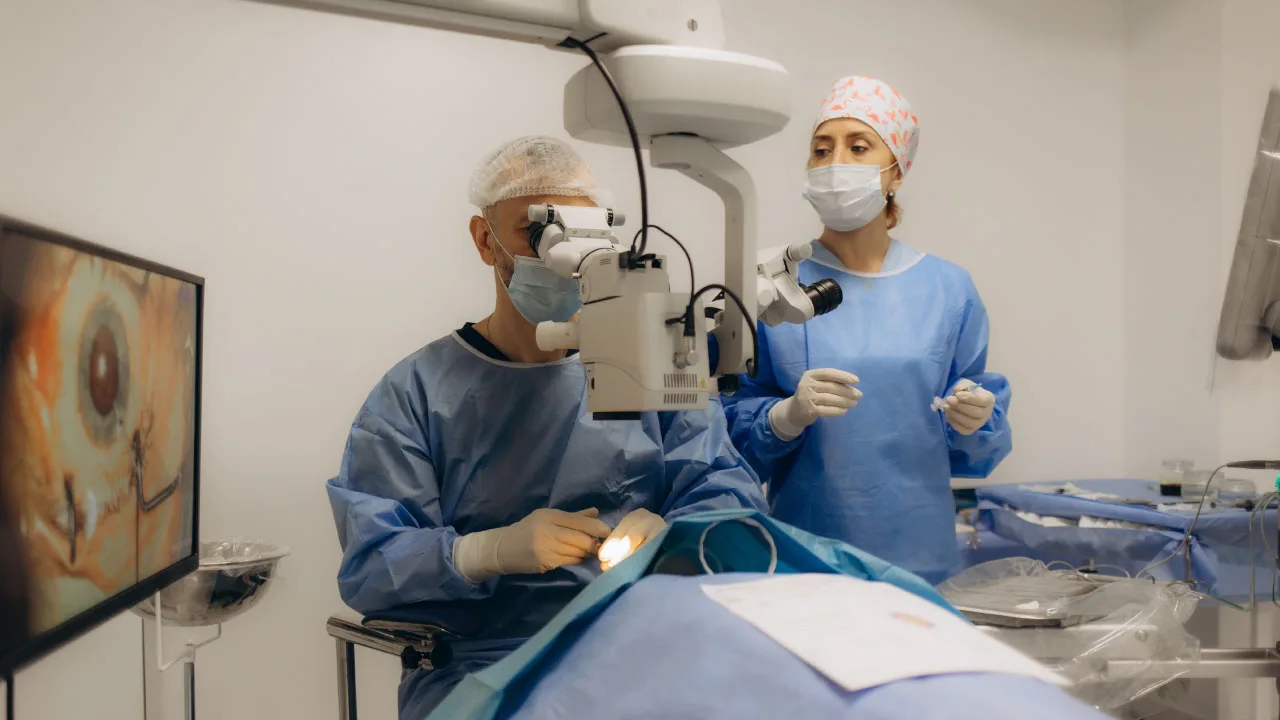
Hemorrhoids, commonly known as piles, are one of the most common conditions affecting the lower rectum and anus. They can cause discomfort, itching, pain, bleeding during bowel movements, and, in some cases, prolapse, where the hemorrhoids protrude outside the anal canal. While lifestyle changes and medications often help manage mild cases, some patients continue to experience persistent or severe symptoms despite conservative treatment.
Advances in surgical techniques have introduced minimally invasive treatment options, including laser hemorrhoid surgery. This procedure has become an option for selected patients because it may offer less postoperative discomfort and a quicker recovery compared with some conventional surgical approaches. However, laser surgery is not appropriate for every patient, and the best treatment depends on the severity of the hemorrhoids and individual clinical findings.
At Sanjivani Hospital, patients receive comprehensive evaluation and individualized treatment recommendations based on their symptoms and overall health.
What Are Hemorrhoids?
Hemorrhoids are swollen veins located in the lower rectum or around the anus. They develop when increased pressure causes these veins to enlarge.
Hemorrhoids are classified into two main types:
Internal Hemorrhoids
These develop inside the rectum and are usually painless. They may cause bleeding during bowel movements and can sometimes protrude through the anal opening.
External Hemorrhoids
These develop under the skin around the anus and may cause pain, swelling, itching, or discomfort, especially if a blood clot forms within them.
What Causes Hemorrhoids?
Several factors may contribute to the development of hemorrhoids, including:
- Chronic constipation
- Straining during bowel movements
- Prolonged sitting on the toilet
- Pregnancy
- Obesity
- Low-fiber diet
- Aging
- Frequent heavy lifting
Many people experience hemorrhoids at some point in their lives, particularly between the ages of 45 and 65.
Symptoms Of Hemorrhoids
Symptoms vary depending on the type and severity of hemorrhoids.
Common symptoms include:
- Bright red bleeding during bowel movements
- Pain or discomfort around the anus
- Itching or irritation
- Swelling near the anal opening
- A lump around the anus
- Mucus discharge
- Feeling of incomplete bowel emptying
- Prolapsing hemorrhoids
Rectal bleeding should always be evaluated by a healthcare provider, as it can have causes other than hemorrhoids.
When Is Laser Hemorrhoid Surgery Recommended?
Most hemorrhoids improve with conservative treatment such as dietary changes, increased fiber intake, hydration, and medications.
Laser hemorrhoid surgery may be considered when:
- Symptoms continue despite nonsurgical treatment
- Hemorrhoids repeatedly prolapse
- Bleeding becomes frequent
- Pain significantly affects daily activities
- Large hemorrhoids interfere with hygiene
- Other treatment options are not appropriate
Your surgeon will determine whether laser treatment or another procedure is the most suitable option based on your condition.
What Is Laser Hemorrhoid Surgery?
Laser hemorrhoid surgery is a minimally invasive procedure that uses laser energy to shrink or treat hemorrhoidal tissue while minimizing damage to surrounding healthy tissue.
Depending on the clinical situation, the laser is used to reduce the blood supply to the hemorrhoid, causing it to shrink over time.
Not all hemorrhoids can be treated using laser techniques, and some patients may benefit more from conventional hemorrhoid surgery or other minimally invasive procedures.
Benefits Of Laser Hemorrhoid Surgery
For appropriately selected patients, potential benefits may include:
- Smaller surgical wounds
- Reduced bleeding during the procedure
- Less postoperative discomfort in some cases
- Shorter hospital stay
- Faster return to normal activities
- Minimal tissue damage
- Lower risk of wound-related complications in selected patients
Individual outcomes vary based on the severity of hemorrhoids and overall health.
What Happens During The Procedure?
Laser hemorrhoid surgery is usually performed under regional or general anesthesia, depending on the procedure and patient factors.
During surgery:
- The surgeon identifies the hemorrhoidal tissue.
- A specialized laser fiber delivers controlled energy to the hemorrhoid.
- The blood vessels supplying the hemorrhoid are sealed.
- The treated hemorrhoid gradually shrinks over time.
The procedure generally takes less than an hour, although the exact duration depends on the number and size of the hemorrhoids being treated.
Recovery After Laser Hemorrhoid Surgery
Recovery is often quicker than with traditional hemorrhoid surgery for many patients.
During recovery, you may experience:
- Mild discomfort
- Temporary swelling
- Minor spotting
- A feeling of fullness in the rectal area
Your healthcare provider may recommend:
- Drinking plenty of fluids
- Eating a high-fiber diet
- Taking stool softeners if appropriate
- Avoiding excessive straining
- Walking regularly to promote circulation
- Taking prescribed medications as directed
Many patients are able to return to routine activities within several days, although recovery varies from person to person.
Are There Any Risks?
Like all surgical procedures, laser hemorrhoid surgery carries potential risks.
These may include:
- Bleeding
- Infection
- Temporary pain
- Urinary retention
- Recurrence of hemorrhoids
- Delayed healing
- Rare injury to nearby tissues
Your surgeon will discuss the expected benefits and potential risks before recommending surgery.
Can Hemorrhoids Return After Laser Surgery?
Although laser surgery treats existing hemorrhoids, it does not eliminate the underlying factors that contribute to their development.
To help reduce the risk of recurrence:
- Eat a fiber-rich diet.
- Drink adequate water.
- Avoid prolonged straining.
- Stay physically active.
- Maintain a healthy body weight.
- Avoid sitting on the toilet for extended periods.
Healthy bowel habits remain an important part of long-term hemorrhoid management.
Is Laser Surgery Better Than Traditional Surgery?
There is no single treatment that is best for every patient.
Laser hemorrhoid surgery may be an appropriate option for selected individuals, while others may benefit more from conventional hemorrhoidectomy, stapled hemorrhoidopexy, rubber band ligation, or other procedures.
The choice depends on:
- The grade of hemorrhoids
- Your symptoms
- Previous treatments
- Overall health
- Your surgeon's clinical assessment
An individualized evaluation is essential before deciding on the most appropriate treatment.
When Should You See A Surgeon?
Schedule an evaluation if you experience:
- Persistent rectal bleeding
- Painful hemorrhoids
- Recurrent prolapse
- Difficulty maintaining hygiene
- Symptoms that do not improve with home treatment
- A lump around the anus that persists
Early evaluation allows appropriate diagnosis and helps rule out other conditions that may cause similar symptoms.
Conclusion
Laser hemorrhoid surgery is a minimally invasive treatment option that may provide effective symptom relief for carefully selected patients with symptomatic hemorrhoids. While many individuals experience a comfortable recovery, treatment recommendations should always be based on a thorough evaluation and the severity of the condition.
At Sanjivani Hospital, experienced surgeons provide comprehensive assessment and personalized treatment plans, helping patients choose the most appropriate approach for managing hemorrhoids while focusing on safety, comfort, and long-term bowel health.
FAQs
Q: Is laser hemorrhoid surgery painful?
A: Most patients experience mild to moderate discomfort after the procedure. Pain levels vary depending on the extent of treatment and individual healing.
Q: How long does laser hemorrhoid surgery take?
A: The procedure is typically completed within 30 to 60 minutes, although the exact duration depends on the complexity of the case.
Q: Can I go home the same day?
A: Many patients are discharged on the same day, provided they are medically stable. Your surgeon will advise you based on your recovery.
Q: Can hemorrhoids come back after laser surgery?
A: Yes. While treated hemorrhoids are addressed during surgery, new hemorrhoids may develop if contributing factors such as chronic constipation or straining continue.
Q: Is laser surgery suitable for all hemorrhoids?
A: No. The most appropriate treatment depends on the grade of hemorrhoids, symptoms, and your overall clinical condition. A surgical evaluation is necessary to determine the best option.
If you are experiencing persistent hemorrhoid symptoms or have been advised to consider surgery, consult the experienced surgical team at Sanjivani Hospital. A thorough evaluation can help determine whether laser hemorrhoid surgery or another treatment option is the most appropriate choice for your condition.

Location
Sevashram Choraha, Patho Ki Magri, Subhash Nagar
Udaipur, Rajasthan
313001


Hours
Monday to Saturday
09:00 AM-03:00 PM
Sunday Closed
Emergency Available 24*7

Committed to Excellence, Committed to You.


OVERVIEW
SPECIALITIES
SUPPORT
© 2025 Sanjivani Hospital. All rights reserved | Website Design by Remedo