
Causes Of Rectal Bleeding And When To Worry
Apr 25, 2026
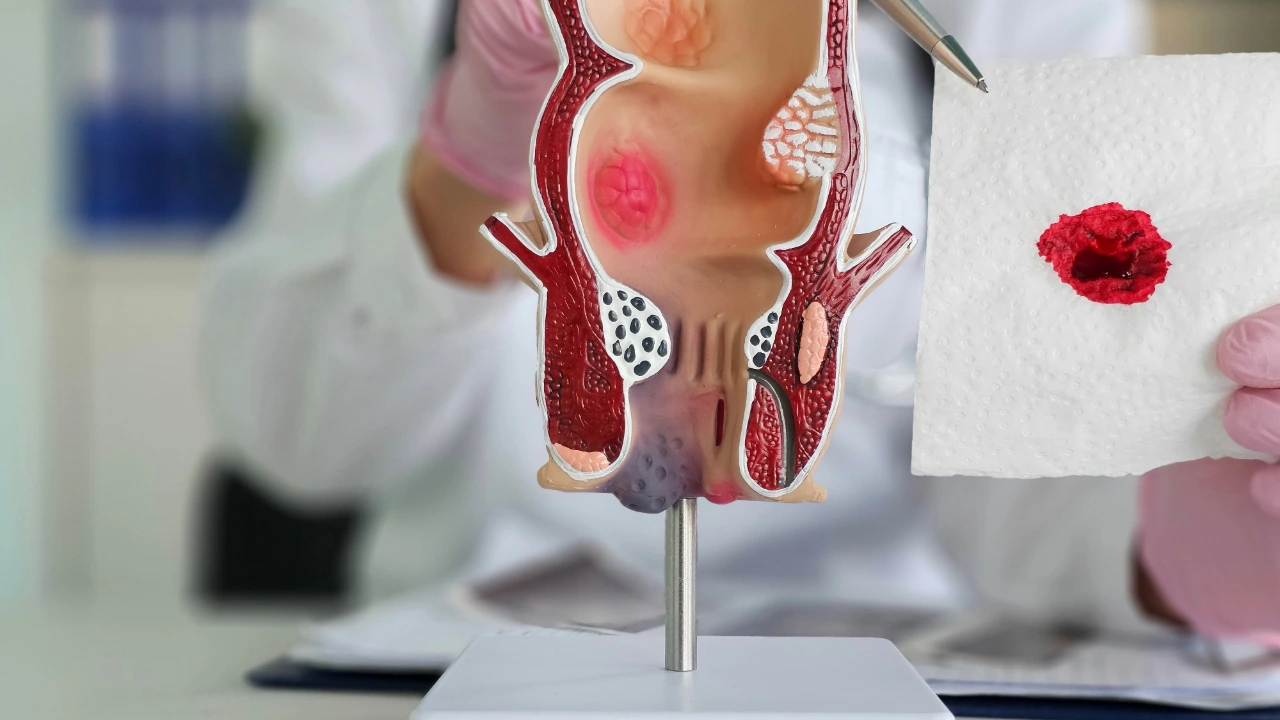
Rectal bleeding can be alarming, but it is a symptom that can arise from a range of conditions, some minor and others more serious. Understanding the possible causes and recognizing when to seek medical attention is essential for timely care. At Sanjivani Hospital, patients receive expert evaluation and treatment for gastrointestinal concerns, ensuring accurate diagnosis and effective management.
What Is Rectal Bleeding
Rectal bleeding refers to the passage of blood through the anus, which may appear in the stool, on toilet paper, or in the toilet bowl. The color of the blood can vary from bright red to dark maroon or even black, depending on the source of bleeding.
Doctors at Sanjivani Hospital emphasize that while occasional mild bleeding may not be serious, it should never be ignored, especially if it persists or worsens.
Common Causes Of Rectal Bleeding
Rectal bleeding can occur due to several conditions affecting the digestive tract.
Hemorrhoids (Piles)
Hemorrhoids are swollen veins in the rectum or anus and are one of the most common causes of rectal bleeding.
Symptoms:
- Bright red blood during bowel movements
- Itching or irritation
- Pain or discomfort
Anal Fissures
An anal fissure is a small tear in the lining of the anus, often caused by passing hard stools.
Symptoms:
- Sharp pain during bowel movements
- Bright red bleeding
- Burning sensation
Inflammatory Bowel Disease (IBD)
Conditions like ulcerative colitis and Crohn’s disease can cause inflammation in the digestive tract.
Symptoms:
- Chronic diarrhea
- Abdominal pain
- Blood mixed with stool
- Gastrointestinal Infections
Bacterial or parasitic infections can irritate the intestines and lead to bleeding.
Polyps And Colorectal Cancer
Growths in the colon or rectum, known as polyps, may bleed. In some cases, they can develop into cancer if not treated early.
Sanjivani Hospital highlights the importance of screening for early detection.
Diverticular Disease
Small pouches in the colon wall, known as diverticula, can bleed or become inflamed.
Understanding The Color Of Blood
The appearance of blood can give clues about the source:
- Bright red blood: Usually from the lower rectum or anus
- Dark red or maroon: May indicate bleeding from the colon
- Black or tarry stools: Suggest bleeding from the upper digestive tract
Doctors at Sanjivani Hospital use this information along with other tests to determine the cause.
When To Worry About Rectal Bleeding
While some causes are minor, certain warning signs require immediate medical attention.
Seek Help If You Experience:
- Heavy or continuous bleeding
- Blood mixed with stool
- Unexplained weight loss
- Persistent abdominal pain
- Changes in bowel habits
- Fatigue or weakness
Sanjivani Hospital advises not delaying consultation, as early diagnosis can prevent serious complications.
Diagnosis Of Rectal Bleeding
Accurate diagnosis is key to effective treatment.
Common Diagnostic Methods:
- Physical examination
- Stool tests
- Colonoscopy
- Sigmoidoscopy
- Imaging studies
At Sanjivani Hospital, advanced diagnostic tools are used to identify the exact cause and guide treatment.
Treatment Options
Treatment depends on the underlying condition causing the bleeding.
Conservative Management
- Dietary changes with increased fiber
- Hydration
- Medications for pain and inflammation
Medical Treatment
- Antibiotics for infections
- Medications for IBD
- Topical treatments for hemorrhoids
Minimally Invasive Procedures
- Banding or laser treatment for piles
- Endoscopic removal of polyps
Surgical Treatment
In severe cases, surgery may be required, especially for large hemorrhoids or cancer.
Sanjivani Hospital provides comprehensive care, from diagnosis to advanced surgical management when needed.
Tips To Prevent Rectal Bleeding
Preventive measures can reduce the risk of many underlying causes.
- Eat a high-fiber diet
- Stay hydrated
- Avoid straining during bowel movements
- Exercise regularly
- Maintain good hygiene
Doctors at Sanjivani Hospital recommend regular check-ups, especially for individuals at higher risk.
Importance Of Early Diagnosis
Ignoring rectal bleeding can delay the detection of serious conditions such as colorectal cancer. Early diagnosis not only improves treatment outcomes but also reduces complications.
At Sanjivani Hospital, a patient-centered approach ensures timely evaluation and personalized care.
FAQs
Q: Is rectal bleeding always serious?
A: Not always, but it should be evaluated to rule out serious conditions.
Q: Can hemorrhoids cause rectal bleeding?
A: Yes, they are one of the most common causes of bright red bleeding.
Q: When should I see a doctor for rectal bleeding?
A: If the bleeding is persistent, heavy, or associated with other symptoms.
Q: Can rectal bleeding be a sign of cancer?
A: Yes, in some cases, especially if accompanied by weight loss or changes in bowel habits.
Q: How is rectal bleeding treated?
A: Treatment depends on the cause and may include medications, procedures, or surgery.
Conclusion
Rectal bleeding is a symptom that should never be overlooked. While it is often caused by minor conditions like hemorrhoids or fissures, it can sometimes indicate more serious health issues.
Understanding the causes and recognizing warning signs can help you take the right steps at the right time. If you experience rectal bleeding, consult the experts at Sanjivani Hospital for accurate diagnosis and effective treatment.

Location
Sevashram Choraha, Patho Ki Magri, Subhash Nagar
Udaipur, Rajasthan
313001


Hours
Monday to Saturday
09:00 AM-03:00 PM
Sunday Closed
Emergency Available 24*7

Committed to Excellence, Committed to You.


OVERVIEW
SPECIALITIES
SUPPORT
© 2025 Sanjivani Hospital. All rights reserved | Website Design by Remedo