
When the Baby Is in a Breech Position: What Are Your Options?
Nov 14, 2026
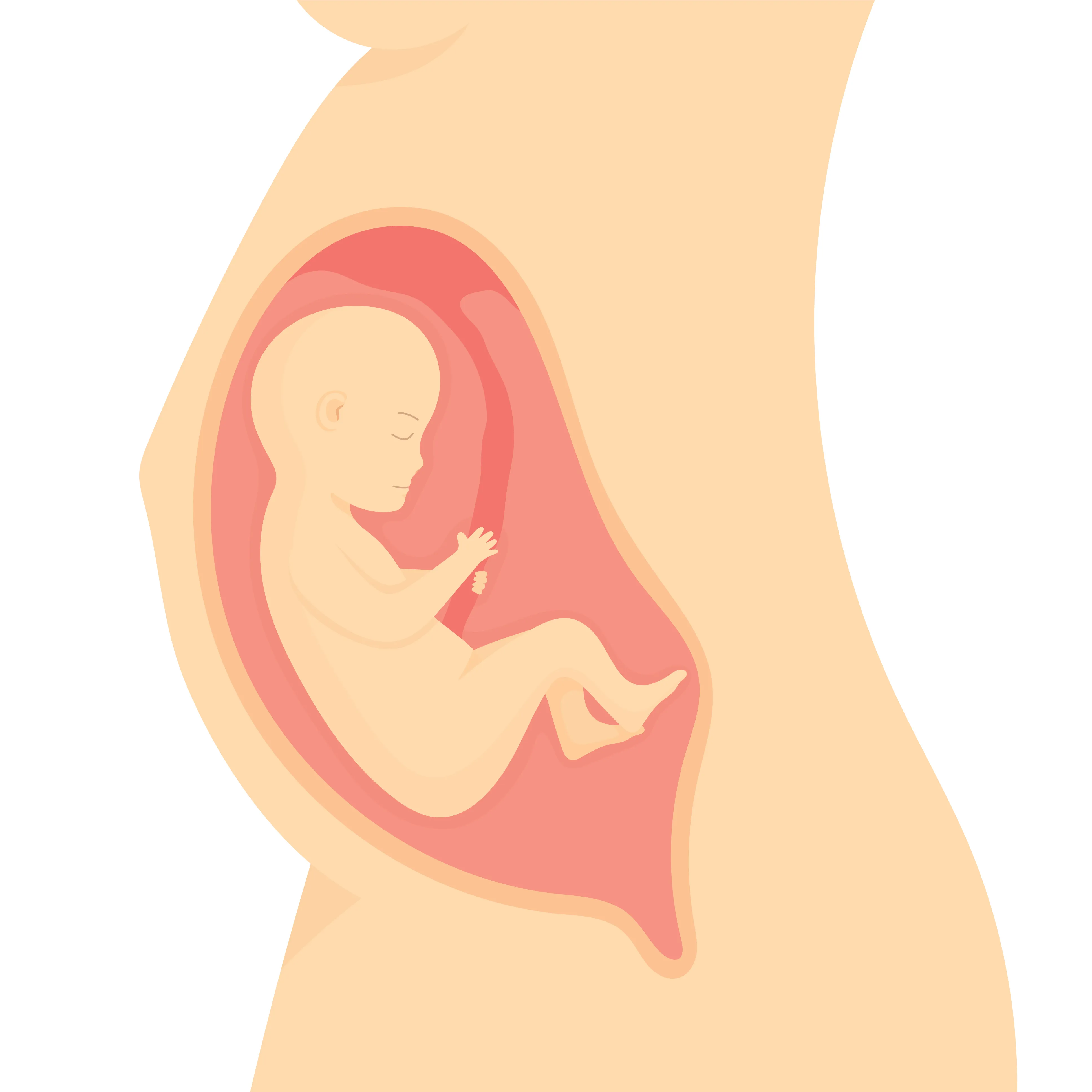
As the pregnancy progresses, most babies gradually move into a head-down position in preparation for birth. However, sometimes a baby remains positioned with the buttocks or feet pointing towards the birth canal instead of the head. This is known as a breech position.
Finding out that your baby is breech can raise several questions. Will the baby turn on its own? Can a normal delivery still be possible? Does a breech position always mean a C-section?
The good news is that there are different ways to manage a breech pregnancy. The right approach depends on the baby's position, gestational age, maternal health and other pregnancy-related factors. Understanding these options can help parents prepare for a safe delivery.
What Does It Mean When a Baby Is in a Breech Position?
A breech position means the baby's buttocks or feet are positioned closest to the mother's cervix, rather than the head. In most pregnancies, babies move into a head-down position by around 36 weeks. If the baby remains bottom-down or feet-first, it is considered a breech presentation.
Breech positioning is relatively common earlier in pregnancy because the baby still has enough room to move inside the uterus. However, only a small percentage of babies remain breech near the time of delivery.
The position is usually identified during a routine antenatal examination and confirmed through an ultrasound scan.
What Are the Different Types of Breech Positions?
Not all breech positions are the same. The baby's legs and hips can be arranged in different ways.
Frank Breech
In this position, the baby's bottom points downwards, while both legs are extended upwards towards the head. This is one of the most common types of breech presentation.
Complete Breech
The baby's hips and knees are bent, with the buttocks positioned closest to the birth canal. The baby appears to be sitting cross-legged inside the uterus.
Footling Breech
In a footling breech, one or both feet are positioned below the buttocks. This means the feet may enter the birth canal first.
Identifying the exact breech position is important because it can influence the delivery plan.
Why Does a Baby Remain in a Breech Position?
In many cases, there is no specific reason why a baby remains breech. However, certain factors may make this position more likely.
Some possible factors include:
- Premature birth: Babies born before reaching full term are more likely to be in a breech position because they may not have turned head-down yet.
- Multiple pregnancy: Twins or other multiple pregnancies may have limited space for each baby to move into the head-down position.
- Abnormal uterine shape: Certain structural variations in the uterus may affect the baby's position.
- Placenta previa: When the placenta covers or lies close to the cervix, it may be associated with breech positioning.
- Amniotic fluid levels: Too much or too little amniotic fluid can influence how freely the baby moves.
- Previous pregnancies: The shape and flexibility of the uterus may change after previous pregnancies.
However, a breech position can also occur in an otherwise healthy pregnancy without any identifiable risk factor.
Can a Breech Baby Turn Naturally Before Delivery?
Yes. Many babies turn into a head-down position on their own, especially before 36 weeks of pregnancy. As the pregnancy advances, the available space reduces, making spontaneous turning less likely.
If the baby is breech around 32 to 34 weeks, doctors may recommend monitoring the position during subsequent antenatal visits.
An ultrasound scan can help confirm whether the baby has turned and assess factors such as the baby's position, placenta location and amniotic fluid levels.
If the baby remains breech close to 36 weeks, your obstetrician may discuss additional options.
What Are Your Options If the Baby Is Breech?
The management of a breech pregnancy depends on the baby's position, gestational age and the mother's overall health. Some commonly considered options include:
External Cephalic Version (ECV)
External cephalic version is a procedure in which the doctor attempts to gently turn the baby into a head-down position by applying controlled pressure to the mother's abdomen.
It is generally considered around 36 to 37 weeks of pregnancy, depending on individual circumstances.
The procedure is performed in a hospital setting, where the baby's heart rate is monitored before and after the attempt. An ultrasound may also be used to guide the procedure.
ECV is not suitable for every pregnancy. Certain conditions, such as placenta previa, multiple pregnancy or other complications, may make it inappropriate.
Although ECV can increase the chances of a head-down birth, it is not always successful. The doctor will explain the potential benefits and risks before recommending it.
Planned Caesarean Section
If the baby remains breech and vaginal delivery is not considered suitable, a planned caesarean section may be recommended.
A C-section involves delivering the baby through a surgical incision in the mother's abdomen and uterus.
The timing is generally planned around 39 weeks in an uncomplicated pregnancy, although earlier delivery may be needed if medical concerns arise.
A planned C-section can help avoid some of the risks associated with vaginal breech delivery. However, like any surgery, it involves recovery time and potential complications that should be discussed with the obstetrician.
Planned Vaginal Breech Delivery
In selected pregnancies, vaginal breech delivery may be considered. However, it requires careful assessment and specific conditions to be met.
Factors considered may include:
- The type of breech presentation.
- The baby's estimated size and position.
- The mother's pelvic assessment and medical history.
- The absence of certain pregnancy complications.
- The availability of an experienced obstetric team and emergency C-section facilities.
Not every hospital or obstetric team offers planned vaginal breech delivery. If it is being considered, the doctor should explain the potential risks and benefits so that the parents can make an informed decision.
Is Breech Position Dangerous for the Baby?
A breech position does not automatically mean that something is wrong with the baby. Many babies in a breech position are otherwise healthy.
However, breech presentation can increase certain delivery-related risks, particularly during vaginal birth. These may include difficulty delivering the baby's head after the body has emerged, umbilical cord complications and birth injuries.
The risks depend on the type of breech presentation and other pregnancy factors. This is why identifying the position early and planning the delivery with an experienced obstetric team is important.
Can You Prevent a Breech Position?
There is no guaranteed way to prevent a baby from remaining in a breech position. Some exercises and postural techniques are promoted as ways to encourage the baby to turn, but evidence supporting their effectiveness is limited.
Pregnant women should not attempt forceful movements, abdominal pressure or unverified techniques to change the baby's position.
If you are approaching 36 weeks and your baby is still breech, discuss medically appropriate options with your obstetrician.
When Should You Discuss Delivery Planning With Your Doctor?
If your baby is found to be breech, regular antenatal visits are important. Your doctor may recommend an ultrasound to confirm the position and evaluate whether the baby has enough room to turn.
By around 36 weeks, it is useful to discuss whether ECV is suitable, whether a planned C-section is recommended or whether vaginal breech delivery may be an option in selected circumstances.
The goal is not simply to change the baby's position but to choose a delivery approach that considers the safety of both mother and baby.
Get the Right Guidance for a Breech Pregnancy
Discovering that your baby is in a breech position can feel worrying, especially as the delivery date approaches. However, understanding the available options can help you make informed decisions without unnecessary stress.
At Sanjivani Hospital, expectant mothers can discuss breech presentation, suitable delivery options and pregnancy-related concerns with the obstetric care team. Regular monitoring and an individualised birth plan help guide decisions based on the needs of each pregnancy.
Frequently Asked Questions
Q: At what week should a breech baby turn head-down?
A: Most babies move into a head-down position by 36 weeks of pregnancy. Some may turn later, but the chances of spontaneous turning generally decrease as the pregnancy progresses.
Q: Can a breech baby be delivered normally?
A: Vaginal breech delivery may be possible in carefully selected pregnancies when specific conditions are met and an experienced team is available. A caesarean section is commonly recommended when vaginal breech delivery is not considered safe.
Q: Is external cephalic version painful?
A: ECV may cause temporary discomfort or pressure as the doctor attempts to turn the baby. The procedure is monitored carefully, and it is stopped if there are concerns about the mother or baby's wellbeing.
Q: Does a breech position mean the baby has a health problem?
A: No. Most breech babies are otherwise healthy. However, the position needs assessment because it can influence delivery-related risks and planning.
Q: When is a C-section recommended for a breech baby?
A: A planned C-section may be recommended when the baby remains breech and vaginal delivery is not considered suitable. The decision depends on the baby's position, size, maternal health and available medical facilities.

Location
Sevashram Choraha, Patho Ki Magri, Subhash Nagar
Udaipur, Rajasthan
313001


Hours
Monday to Saturday
09:00 AM-03:00 PM
Sunday Closed
Emergency Available 24*7

Committed to Excellence, Committed to You.


OVERVIEW
SPECIALITIES
SUPPORT
© 2025 Sanjivani Hospital. All rights reserved | Website Design by Remedo